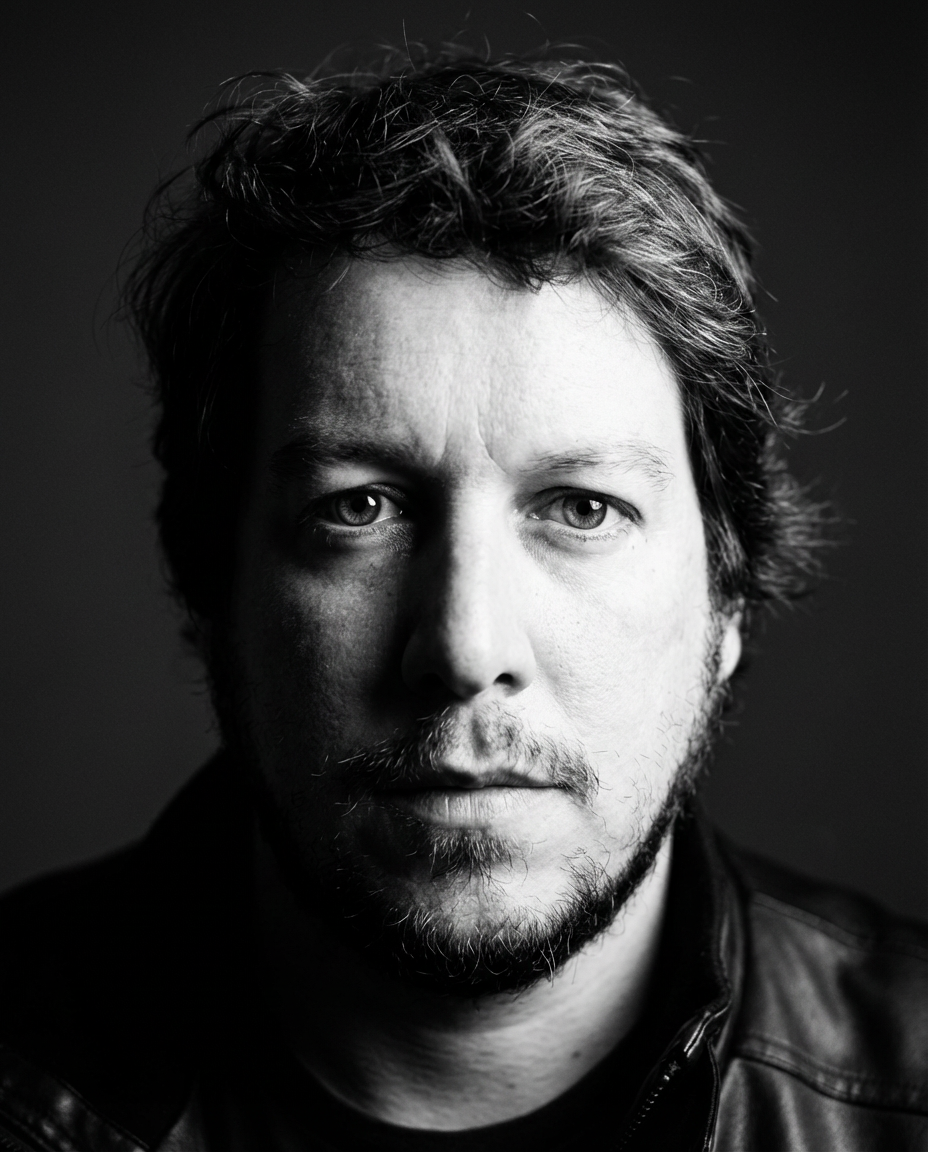

Val Kilmer's AI Ghost: Filmmaking, Ethics, and the Soul of a Performance
Today, the news from CBC News and The Standard (HK) is discussing an independent film, "As Deep as the Grave," which has used artificial intelligence to recreate a young Val Kilmer for a major role. They say they got consent from his children, that SAG-AFTRA guidelines were followed, and compensation paid. My first reaction? A deep sigh. Not because of the technology itself, but because of the questions it forces us to ask about what we value in filmmaking, in performance, and in the legacy of human creativity.
As someone who's spent 14 years directing and editing commercial work for brands like Disney, Nestlé, and Yamaha, and who founded Pichorra Filmes in São Paulo back in 2012, I've seen a lot of shifts. I've done every role on set – composer, actor, editor, writer, director. I never wanted to be a programmer; AI opened doors for me that my budget or team size simply couldn't. But this use of AI, resurrecting a beloved actor, feels less like an open door and more like a tripwire.
The Unseen Weight of a Digital Ghost
The debate isn't about AI's capability. We know AI can generate almost anything now. The question is: should it? And if so, what's the unseen cost? Critics are calling it "off-putting and gimmicky," and I understand why. It touches a nerve about authenticity and respect for an artist's actual life and work.
When I was on the floor of a show like the Ronald Rios Talk Show, acting and writing, the energy of the performers, the live decisions, the genuine human connection – that was the magic. That's what makes you laugh, makes you feel. A digital ghost, no matter how perfect the recreation, doesn't carry that same weight. It's a beautiful echo, perhaps, but an echo nonetheless.
More Than Pixels: The True Meaning of Performance
What is a performance, really? It's not just the lines delivered or the facial expressions. It's the subtext, the life experience the actor brings, the spontaneous choices, the unrepeatable moment captured by the camera. It's the vulnerability, the flaws, the very humanity of someone offering a piece of their soul.
- AI can replicate a voice, a face, a mannerism.
- It cannot replicate the soul behind the eyes.
- It cannot bring the decades of lived experience.
- It cannot offer a new, spontaneous interpretation born from the moment.
This isn't just about intellectual property or legal agreements with an estate. It's about the spiritual and emotional integrity of art. A human performance is a unique, unrepeatable event. An AI-generated one, by its very nature, is a computation. It's a difference between a living breath and a very clever imitation of one.
AI's Role: Amplifying Life, Not Mimicking Death
My journey into AI automation with Soul Symple, and building Open Your AIs, is all about amplifying what humans already do. It's about making small businesses, filmmakers like me, able to achieve more with less friction. AI is a fantastic tool for efficiency, for streamlining creative processes, for generating ideas, for post-production tasks that once took countless hours and drained budgets.
But the goal is always to empower the living team, to help them tell their stories better, faster, with more impact. Not to create performances from those who can no longer consent in a true, living way. This isn't "Not because AI is bad. It's because the choice of application risks diminishing the human element we came to love." AI should extend our reach, not reduce our reverence for what is inherently human.
A Line in the Sand for Creative Integrity
The industry strikes of 2023 highlighted these very concerns. How do we regulate and compensate for AI's use of human likeness and creative work? This Val Kilmer situation pushes that boundary further, setting a precedent that might trouble the waters for decades to come. As a filmmaker, I believe we must draw a clear line.
AI should be used to create new opportunities for living artists, to enhance the storytelling of today and tomorrow. It should not be used to manufacture artificial performances from the past, no matter how good the intention or how respectful the legal process. The true magic of cinema has always been about capturing real human emotion, real human struggle, real human triumph. Let's keep AI focused on empowering that living, breathing magic.
The line I would draw on a Pichorra brief
If a client came to me tomorrow and asked Pichorra Filmes to recreate a deceased performer for a campaign, I would not take the project. Not because I am opposed to AI in production (I use these tools every week), but because the consent question cannot be answered cleanly when the subject is dead.
The estate can sign. The family can agree. SAG-AFTRA can approve. None of that is the same as the actor themselves saying yes to this specific use of their face, this specific commercial, this specific brand. The asymmetry of consent is the problem, and it does not go away because the paperwork is in order.
The right place for this technology is on living artists who can revoke and revise as they go. Anything else is a precedent I do not want my name attached to.
Correction
Corrected Aug 20, 2026: biographical accuracy. Ulisses Balbino was an actor and writer on the Ronald Rios Talk Show, not its director or producer, and he was never employed by MTV, Comedy Central or Paramount. Earlier wording claimed credits and network affiliations he does not hold and it has been fixed here.


