
The legal landscape around generative AI and copyright is a mess right now. According to a report from AI Multiple today, April 18, 2026, lawsuits are piling up in U.S. federal courts, all challenging whether AI models can be trained on copyrighted material without permission. We're seeing high-stakes cases, like The New York Times against OpenAI and Microsoft, and the Supreme Court has already refused to recognize AI as a legal author. This isn't just legal jargon; this is a fundamental threat to every creator, every artist, every filmmaker. It's about who owns the story, the image, the music, after it's been "digested" by a machine.
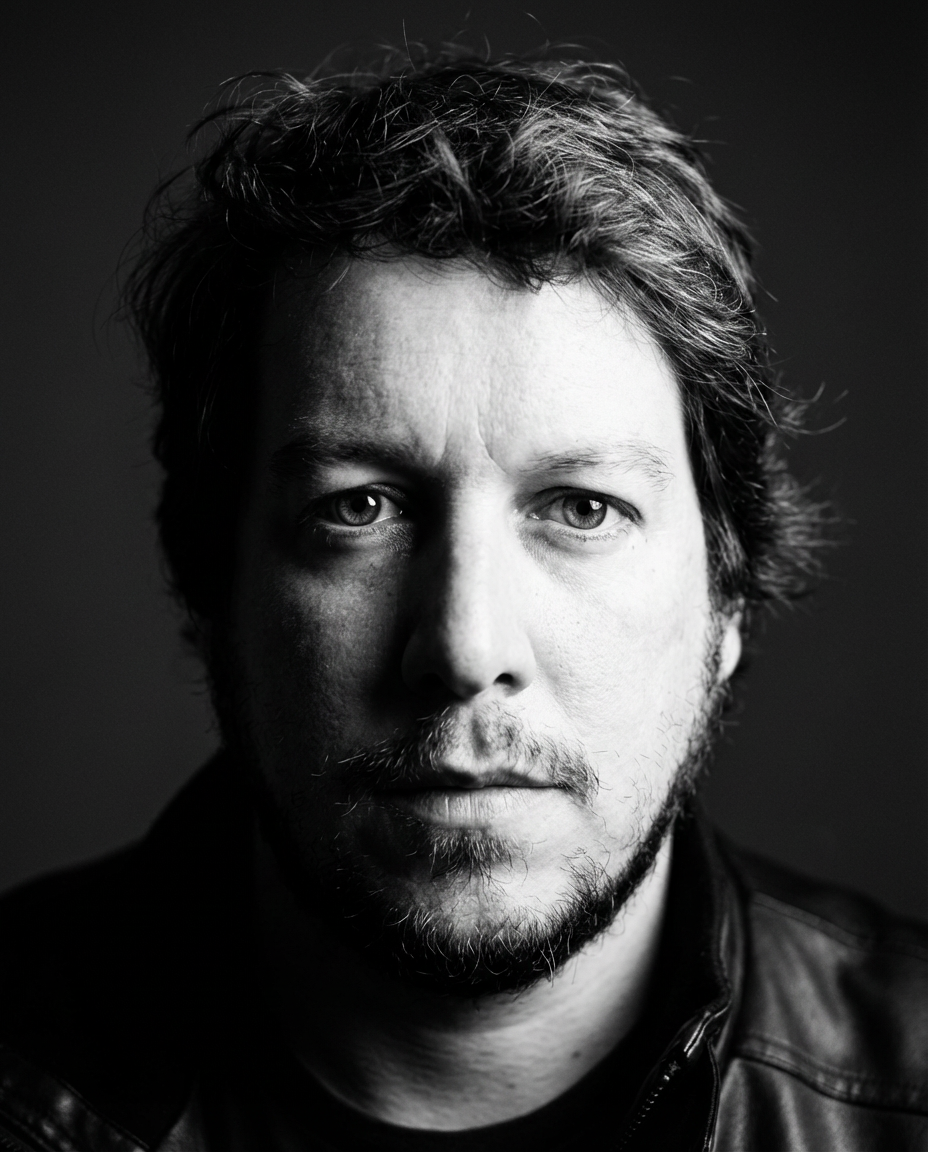
For someone like me, who started Pichorra Filmes in São Paulo in 2012 and has spent 14 years directing, editing, and even acting in commercials for brands like Disney, Nestlé, and Yamaha, this news hits hard. I've always believed that creativity is born from human effort, from sweat and sleepless nights, from the unique vision of an artist. To see that effort potentially devalued, absorbed, and re-spun by machines without clear compensation or attribution, feels like a betrayal of the creative spirit.
The Invisible Hand vs. The Human Touch
When I first heard about AI's capabilities, my reaction wasn't fear of being replaced. It was excitement. I's worn every hat on a film set – composer, actor, editor, writer, director. I never wanted to be a programmer; my passion was always the story, the visual, the human connection. AI, for me, was a way to amplify what I could do with the budget and small teams that often characterize independent productions in Brazil. It promised to democratize filmmaking, to open doors that my previous limitations didn't allow.
But this copyright debate changes the game. It's not about AI helping me write a better script or generate storyboards faster. It's about whether the very 'data' it uses for training is stolen. We're not talking about inspiration here. Inspiration is human. Inspiration comes from watching a classic film, reading a book, experiencing life. This is about machines ingesting vast libraries of human-made content, learning patterns, and then generating new works without a clear lineage or proper licensing. This isn't augmentation; it's appropriation if done without consent or fair compensation.
Not About Stopping Progress. About Defining Value.
Some people might say this debate is just about artists trying to stop progress. They're wrong. This isn't about fear of innovation; it's about ensuring innovation respects the bedrock of creativity. Not because we want to restrict AI's power. But because we need to define the fundamental value of human intellectual property in an age where machines can mimic it so convincingly. If the source material is used without permission, then the entire structure of creative rights, which has protected artists for centuries, collapses.
Imagine I direct a commercial for Starbucks or Kopenhagen. The final output is the result of countless hours of pre-production, shooting, and post-production, all involving human talent and vision. Every frame, every sound, is copyrighted. If an AI model can simply 'learn' from that commercial, or from hundreds like it, and then produce similar content for another brand without any form of licensing or acknowledgement, what does that do to the value of my original work? What does it do to the future of commissioned creative work? It doesn't diminish the human effort, no. On the contrary, it makes the value of that human effort even clearer. But it also makes it vulnerable.
The Filmmaker's Stand: Protecting the Soul of Our Stories
The legal experts predict a decade of uncertainty. That's a long time for small production companies like Pichorra Filmes, for independent artists, to exist in limbo. While I continue building tools like Soul Symple for business automation and running Open Your AIs to explore these new frontiers, the core issue remains: How do we protect the unique, inimitable soul of human creativity?
I believe the solution isn't to ban AI, but to mandate transparency and ethical training data. It means advocating for robust licensing frameworks that compensate creators fairly when their work is used to train these powerful models. It means courts must clearly define "substantial human involvement" not as a loophole for AI to claim authorship, but as a recognition of the original human spark. We need to demand that AI companies create models that can opt-in to copyrighted data rather than opt-out, placing the burden on them to respect existing rights.
My work, whether for Ronald Rios Talk Show or a global beauty brand like Benefit Cosmetics, is about telling stories, evoking emotions. AI has the potential to help us tell those stories more efficiently, to reach wider audiences. But it cannot and must not erase the value of the human hand that crafts them. We must push for clarity and justice now, before the foundation of creative ownership is permanently eroded.
The future of filmmaking, and all creative arts, depends on it. We must fight for a world where AI serves human creativity, not consumes it without permission.


