
The test that became a studio
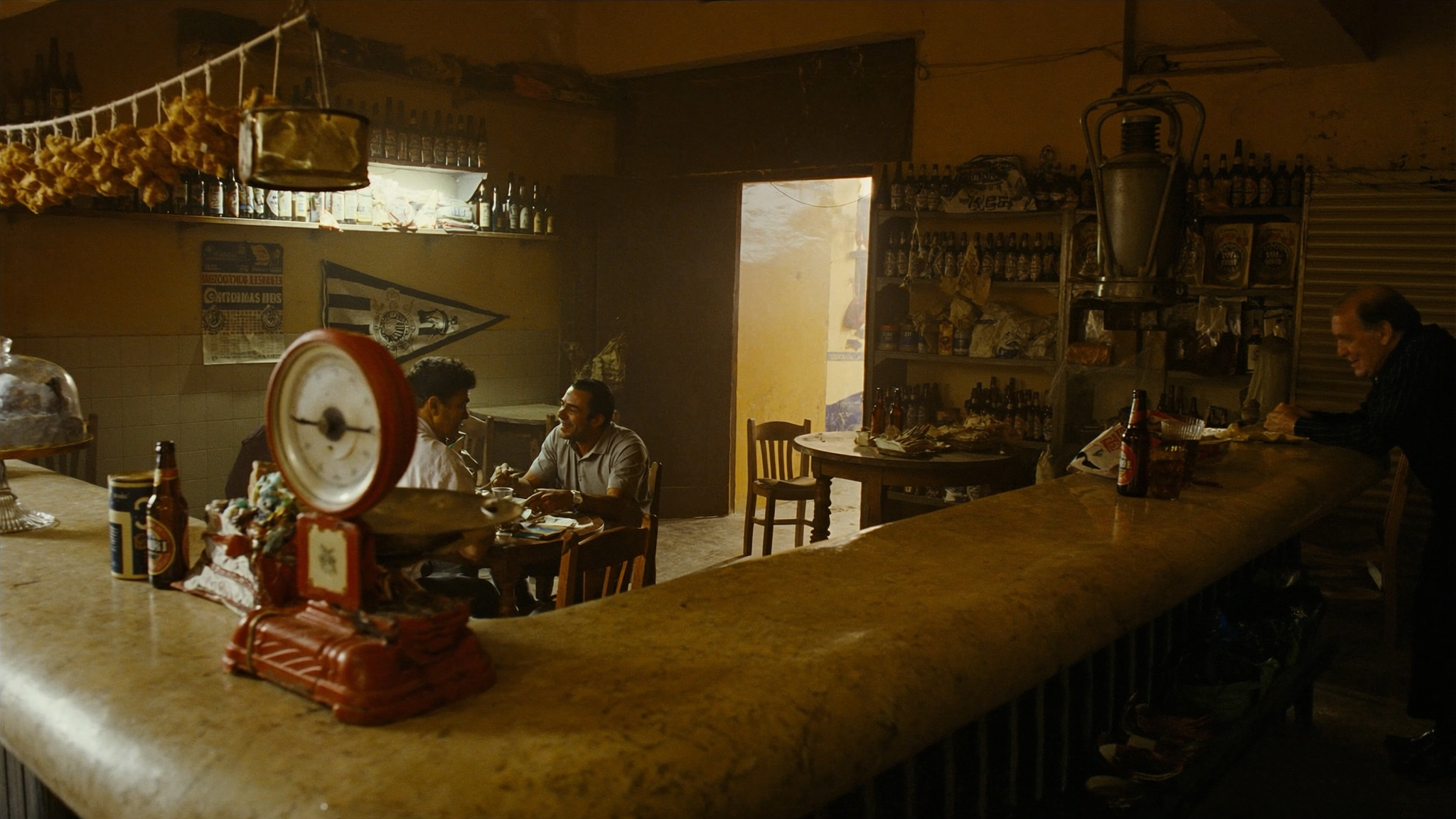
On July 20, 2026, Neill Blomkamp released Nightborne on YouTube. Thirteen minutes. Sci-fi horror, shot in documentary style. A U.S. pilot presumed dead. A secret military program sending fallen soldiers back into combat. The entire output was generated by Seedance 2.0, ByteDance's video model. Thirty-two real people contributed their faces and voices. Concept artists defined the visual vocabulary before any generation began. Blomkamp directed through prompts. He called it a full test of a product workflow and a first step toward a feature. Then he announced Barley Studios, the company that will build his films this way.
A test that ends with a studio announcement is not a test. It is a declaration of direction.
The reception was mostly hostile. Kotaku called it awful. Aftermath was rougher still. Trade coverage at The Playlist, Dark Horizons and World of Reel ran the story straight, without a verdict. The volume tells you more than any single review: a thirteen minute test that nobody was obliged to cover turned into a referendum within a day. That kind of reaction usually means something real happened.
What the tool inherits from the camera
When Edison and the Lumieres introduced moving pictures, the complaint forming in the background was already familiar. Photography had not killed painting. Film would not kill theater. Each time a recording machine learned a new trick, the eulogy for the form it threatened turned out to be early. What actually happened was simpler and more interesting: the definition of authorship shifted to account for the new instrument.
The movie camera did not replace the playwright. It asked a different question: where do you put the camera, and why? Editing did not replace photography. It asked: which moment, and when does the cut land? Digital production did not replace analog. It asked: what can you now afford to try that you could not afford before?
Seedance, at this stage of its development, asks: what world do you want, and can you describe it clearly enough to get it?
Blomkamp is not a director who discovered AI tools last week. His production company Oats Studios spent years making short films that no traditional studio would greenlight, at visual effects scales that conventional production budgets could not justify. The pivot to Barley Studios is not a reinvention of his approach. It is the same logic applied to a new instrument: find the tool that shrinks the distance between the idea and the image, and build there.
What 13 minutes at this scale actually proves
Generating 30 seconds of AI video with acceptable coherence is now routine for anyone with an account and a clear prompt. Generating 13 minutes with sustained character continuity, narrative logic, and a readable story across that full runtime is a substantially harder problem. The number of decisions that have to survive intact from first prompt to final frame multiplies with every additional minute. Most experiments at this length break down long before the end.
A few things worth noting for anyone working at this level:
- Blomkamp did not work alone. Concept artists shaped the visual language before any generation happened. The prompting was downstream of a visual vocabulary, not a replacement for one. This distinction matters for how the output reads and for how the workflow scales.
- Thirty-two real people contributed faces and voices. This is not a synthetic cast performing synthetic performances. It is a real cast directed through a generation layer. The legal and creative implications of that architecture are still being worked out, but the creative fact is clear: there were real people and a real director, and the tool was between them.
- The documentary style is not a random aesthetic choice. Handheld framing and naturalistic staging conceal generation artifacts better than pristine cinematography would. Good directors have always chosen the style that serves the story. Directors working with AI tools are learning, at speed, to choose the style that serves both the story and the constraint.
Not because the images are good. Because someone chose them.
The institutional response to announcements like this tends toward one of two poles. Either the tool is presented as revolutionary and replaces everything, or it is dismissed as a gimmick that no serious filmmaker will touch once the novelty passes. Both frames miss what is actually in front of them.
Blomkamp is not using Seedance because he ran out of budget or crew. He has worked at studio scale. He is using it because the gap between the concept and the images he can produce shrank to a size where a 13-minute film became possible without a traditional production apparatus. That is a different statement than saying traditional production apparatus has no value. It is saying that the decision of what to make, and what to say with it, just separated from the machinery required to execute it. Those two things were bundled together for a century of industrial filmmaking. They do not have to be.
For directors who have always worked at the level of idea and decision rather than logistics and budget negotiation, this is movement in a useful direction. For producers whose value is execution rather than vision, the arithmetic is different and harder.
The only question that was always yours
Nightborne can be criticized on many grounds. The Kotaku review found it awful. The visual quality breaks in places. The narrative logic is debatable. These are fair observations about a film made explicitly to probe a tool at scale, not to compete at a festival. They are also beside the central point.
The question Barley Studios is actually asking is not whether Seedance produces images indistinguishable from a camera. The question is whether a director can hold a world, a character, and a narrative argument coherent across thirteen minutes using only the clarity of their own vision as the input. That question does not become easier or harder depending on what model generates the frames. It is the same question every director has always faced, in every medium, at every budget level.
What changes is that the question is now harder to hide behind production problems. When the tool can execute almost anything you can describe, what remains is the quality of what you chose to describe and why.
The tool does not replace the author. It stops concealing the absence of one.
Sources and verification
Published Jul 26, 2026. Release date, title, runtime, model (Seedance 2.0), cast size (32 real people), documentary style, story premise (US pilot presumed dead / secret military program), and Barley Studios announcement verified against: The Decoder (district-9-director-neill-blomkamp-releases-first-short-film-made-entirely-with-ai-video-generation), The Playlist (nightborne-neill-blomkamp-shares-sci-fi-horror-ai-short-20260720), GeekTyrant, Dark Horizons, and World of Reel. Kotaku review ("awful") cited directly. All sources retrieved July 26, 2026.
Corrected same day, Jul 26, 2026, by the daily fact-check pass: the reception paragraph originally described the response as split and attributed a "significant shift" verdict to The Playlist. That attribution could not be confirmed (The Playlist ran a straight news write-up with no verdict), and independent coverage shows the response was decidedly negative rather than split (Kotaku, Aftermath, ComicBookMovie, JoBlo). Paragraph rewritten to the verifiable reception. Hero image also replaced: the original was a flat stock clapperboard, below the site's black-and-white curation bar for the homepage lead.
Note on the release date: Letterboxd lists July 20, 2026 and the bulk of coverage (The Playlist, The Decoder, World of Reel) ran July 20; Dark Horizons refers to July 19. July 20 retained as the better-supported date.