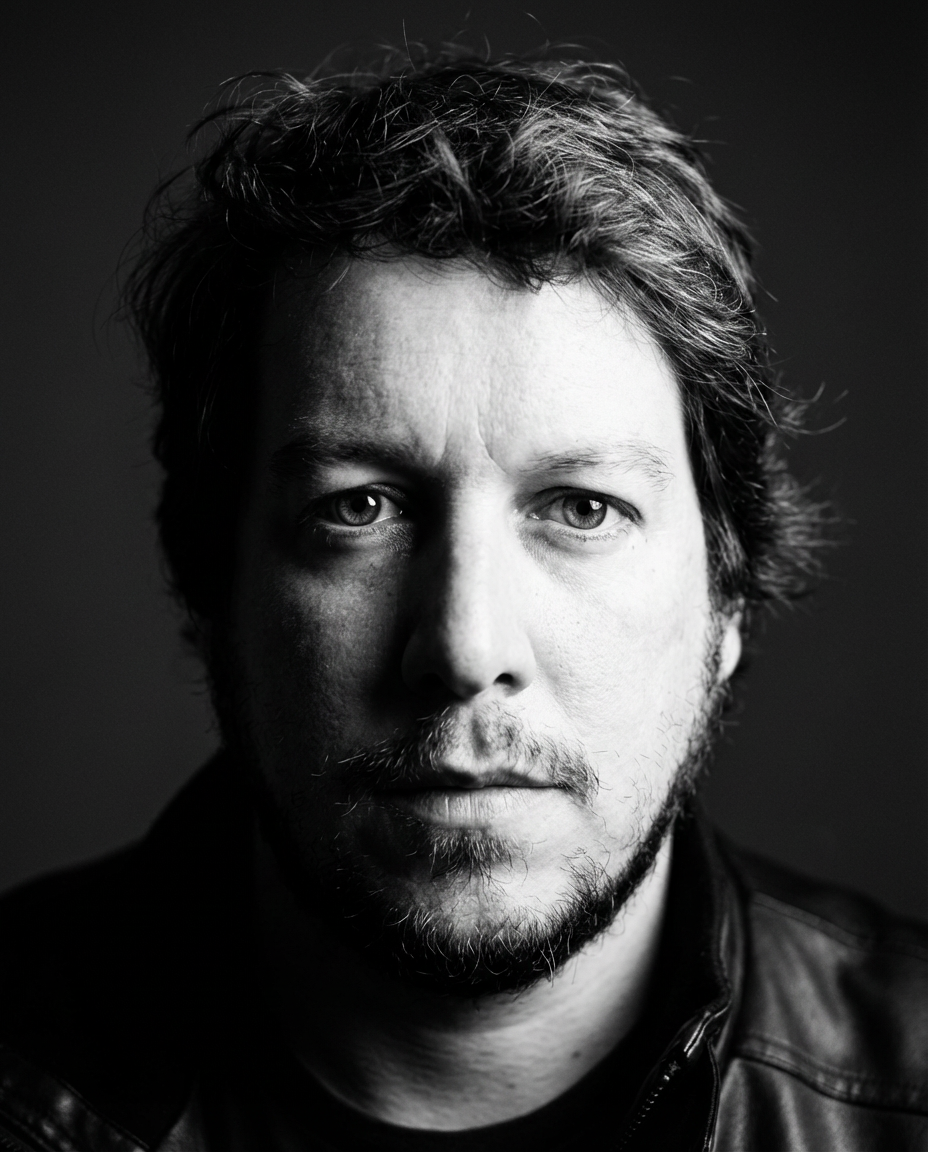

The "Wallace and Gromit" Moment at Cannes
The World AI Film Festival (WAIFF) at Cannes, running alongside the main festival, has put a spotlight on AI's potential in cinema. It's exciting, no doubt. But for me, as a filmmaker who founded Pichorra Filmes in São Paulo back in 2012, the real headline isn't the glitz of new technology. It's the controversy: a short film with characters strikingly similar to Aardman's beloved "Wallace and Gromit" had its award declined due to copyright concerns. This isn't a technical glitch; it's a fundamental question about authorship, respect, and the very soul of creative work.
My initial reaction? A knot in the stomach. For 14 years, I've directed and edited commercial work for clients like Disney, Nestlé, and Yamaha. I've been on sets doing every role imaginable – composing, acting, editing, writing, directing. My career has been about finding my voice, honing a vision, and respecting the craft. This incident at Cannes feels like a direct challenge to that foundation. It's not just about what AI *can* do; it's about what it *should* do, and under what ethical framework.
AI: The Door Opener for Independent Filmmakers
Let's be clear: I'm not anti-AI. Far from it. I'm based in São Paulo, and running a production company here, even after years of delivering projects for Kopenhagen or Benefit Cosmetics, means constantly battling budget constraints and fierce competition. I was never a programmer and never wanted to be. My world was storytelling, image, sound. But AI opened doors my budget and team size simply couldn't. It allowed me to dream bigger, to execute ideas that would otherwise be impossible.
Tools like those I build at Open Your AIs and apply at Pichorra Filmes have revolutionized my workflow. They streamline tasks, automate tedious processes, and give me more time to focus on the creative decisions that truly matter. They've made it possible for small businesses like mine to compete, to produce high-quality content without needing the resources of a major studio. This isn't about replacing people; it's about empowering them. It's about making the art of filmmaking more accessible, more efficient, and ultimately, more *human* by freeing us from drudgery.
The Copyright Conundrum: More Than Just a Legal Problem
But the "Wallace and Gromit" incident isn't just a legal footnote; it's a glaring red flag. AI models are trained on vast amounts of existing human-created work. That's their power. But without clear guidelines, licensing, or ethical frameworks, "learning" can quickly become "replicating" or even "infringing." When I acted and wrote comedy for the Ronald Rios Talk Show, every joke, every character, every visual gag came from a specific human intention, a creative spark. It was *ours*.
The fear isn't that AI makes things faster. The fear is that it erodes the very concept of originality. It's not about whether an AI can generate something *like* a Wallace and Gromit character. It's about whether it can generate something *distinct* that isn't merely an echo of existing IP. This isn't just about legal protection for companies; it's about the value we place on the *effort*, the *imagination*, and the *years of development* that go into creating iconic characters and stories. If AI can "create" a film with familiar elements, does it devalue the original human genius that conceived them?
Human Artistry: The Undeniable Core
The Academy Awards, recognizing this growing tension, recently announced strict new guidelines for the 2027 Oscars: acting and screenwriting must be human-authored to be eligible. This is a crucial distinction. It doesn't diminish AI's role as a tool; it protects the core of what we celebrate in cinema: human ingenuity, emotion, and storytelling. AI can generate a face, but it cannot imbue it with the subtle nuances of human performance. It can write dialogue, but it cannot understand the lived experience that shapes genuine character voice.
When I'm on set, or editing a sequence, my multidisciplinary background allows me to see the whole picture. I understand the actor's struggle, the composer's intention, the writer's message. AI can help me stitch pieces together, or even generate initial drafts, but the final, soulful decision – the "why" behind every frame – that's intensely human. That's what makes a Carrefour commercial resonate or a Starbucks ad feel warm. It's the unique perspective, the cultural context, the raw human experience that AI, however advanced, cannot replicate.
My Conviction: AI Amplifies, It Doesn't Replace the Human Soul
The Cannes AI Film Festival highlights a critical juncture for our industry. We stand at the precipice of incredible innovation, but also profound ethical questions. For me, AI is not a replacement for human creativity; it's an amplification tool. It's the ultimate production assistant, freeing me to be a better director, a more focused storyteller. It helps me manage the operational side of Pichorra Filmes, and through my work at Soul Symple, I help others streamline their businesses too. It even assists in the production of my spiritual channel, Verso Diário, allowing me to focus on the message.
The incident at Cannes is a loud and clear message: we must protect human authorship, intellectual property, and the unique spark that only a human mind can ignite. This isn't about limiting innovation. It's about ensuring that as technology evolves, our definition of art, creativity, and the human role in shaping it, remains fiercely protected and celebrated. The future of film will have AI, but it must always have a human heart at its core.
Correction
Corrected Aug 20, 2026: biographical accuracy. Ulisses Balbino was an actor and writer on the Ronald Rios Talk Show, not its director or producer, and he was never employed by MTV, Comedy Central or Paramount. Earlier wording claimed credits and network affiliations he does not hold and it has been fixed here.


