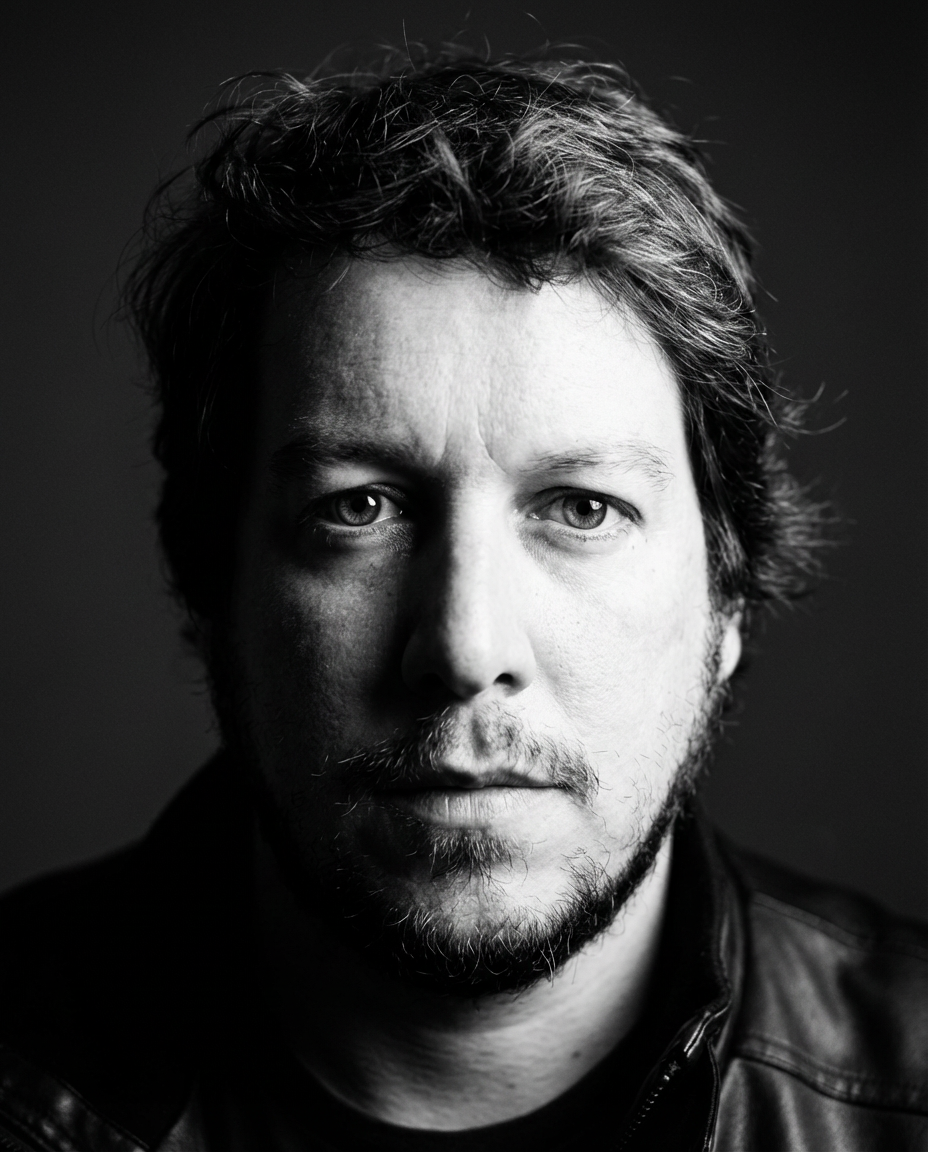

The $1.5 Billion Question: Who Owns AI's Creations When My Work Is the Foundation?
The news hit like a cold shower for many of us in the creative industry: a $1.5 billion settlement in the Bartz v. Anthropic case regarding unauthorized data use. This isn't just a number in a lawsuit. For someone who has spent 14 years directing and editing, pouring every ounce of creative energy into projects for clients like Disney and Nestlé, this kind of news makes you stop and think. It's a stark reminder that the battle over AI copyright isn't some abstract legal theory; it's about the fundamental value of human creation.
The Creator's Labor vs. The Algorithm's Feast
When you spend years crafting narratives, understanding visual language, and refining performances – as I have done across countless commercials and comedy shows like the Ronald Rios Talk Show – you understand that every frame, every cut, every word carries a piece of someone's soul. My journey, starting Pichorra Filmes in São Paulo in 2012, was built on the premise that original ideas, meticulously brought to life, hold intrinsic value.
The core of this debate, the 'fair use' doctrine, feels stretched to its limits. AI companies argue that training models on existing copyrighted works is 'transformative,' like a student learning from textbooks. But is it truly transformative when the output often feels like a sophisticated imitation, or even a direct echo, of countless human efforts? When I was editing for brands like Yamaha and Carrefour, the goal was always to create something unique, something that spoke to their audience, not just a pastiche of what already existed.
This isn't about fear of technology. It's about respect for the source. Not because AI is inherently bad. But because the foundation of its learning often comes from the uncredited, uncompensated work of human artists. That's a dangerous precedent that risks devaluing the very craft we dedicate our lives to.
Beyond "Fair Use": The Human Element
My career has always been multidisciplinary. I've been a composer, an actor, an editor, a writer, a director – sometimes all on the same set. I never wanted to be a programmer, and I never was. AI, in many ways, opened doors for me that my budget or my small team at Pichorra Filmes simply couldn't. Tools that compress months of work into days, that allow for visual ideation and sound design that would have been impossible for a solo creator like me. This has been a true revolution for small businesses and individual filmmakers in São Paulo.
But this amplification of capability should not diminish the importance of the human hand, the human mind, and the human heart behind the original work. The evolving guidance from copyright offices globally, emphasizing 'human authorship requirements' for AI-produced works, is a critical step. Initiatives like the 'Human Made Mark' are not just about labeling; they are about affirming value. They acknowledge that while AI can assist, the spark of true originality, the unique perspective, the 'soul' in the work, still comes from us.
It's a matter of clarity. If AI output is derived from my past work, or the work of countless other artists, without consent or compensation, then the system is broken. It's not about stifling innovation; it's about ensuring that the innovators don't build their empires on stolen foundations.
A Filmmaker's Path Forward
For a small production company like Pichorra Filmes, navigating this landscape is complex. We embrace AI as a powerful assistant, a tool that can democratize production and allow us to compete with larger entities. We've seen firsthand how AI can streamline operations and increase efficiency, much like the 93% of small businesses reporting positive impacts from AI adoption. But that integration must be responsible.
Our focus is on using AI to amplify human creativity, not to replace it. This means using AI to refine an edit, generate quick storyboards, or explore visual styles – all under direct human guidance and with original human input as the core. It's about enhancing the director's vision, not letting the algorithm dictate it. The debate around AI copyright is forcing us to define what true creativity means in the 21st century. It pushes us to ask: Are we building a future where art is a collaborative dance between human and machine, or one where machines simply mimic and monetize human effort?
The 'AI for Main Street Act' and similar initiatives highlight the pressing need for support and training for small businesses. It's not enough to say "use AI." We need guidance on ethical use, legal frameworks, and how to protect our intellectual property while leveraging these powerful tools.
Conviction Close
The future of creation relies on establishing clear boundaries. AI is an incredible partner for filmmakers and creatives, capable of unlocking new possibilities and democratizing the industry. But this partnership must be built on respect for authorship, fair compensation, and a clear understanding of what constitutes human originality. We must insist that technology amplifies our human spirit, rather than diminishes or exploits it. The human hand, the human mind, the human heart: these remain irreplaceable, and their contributions must be protected and celebrated, always.


