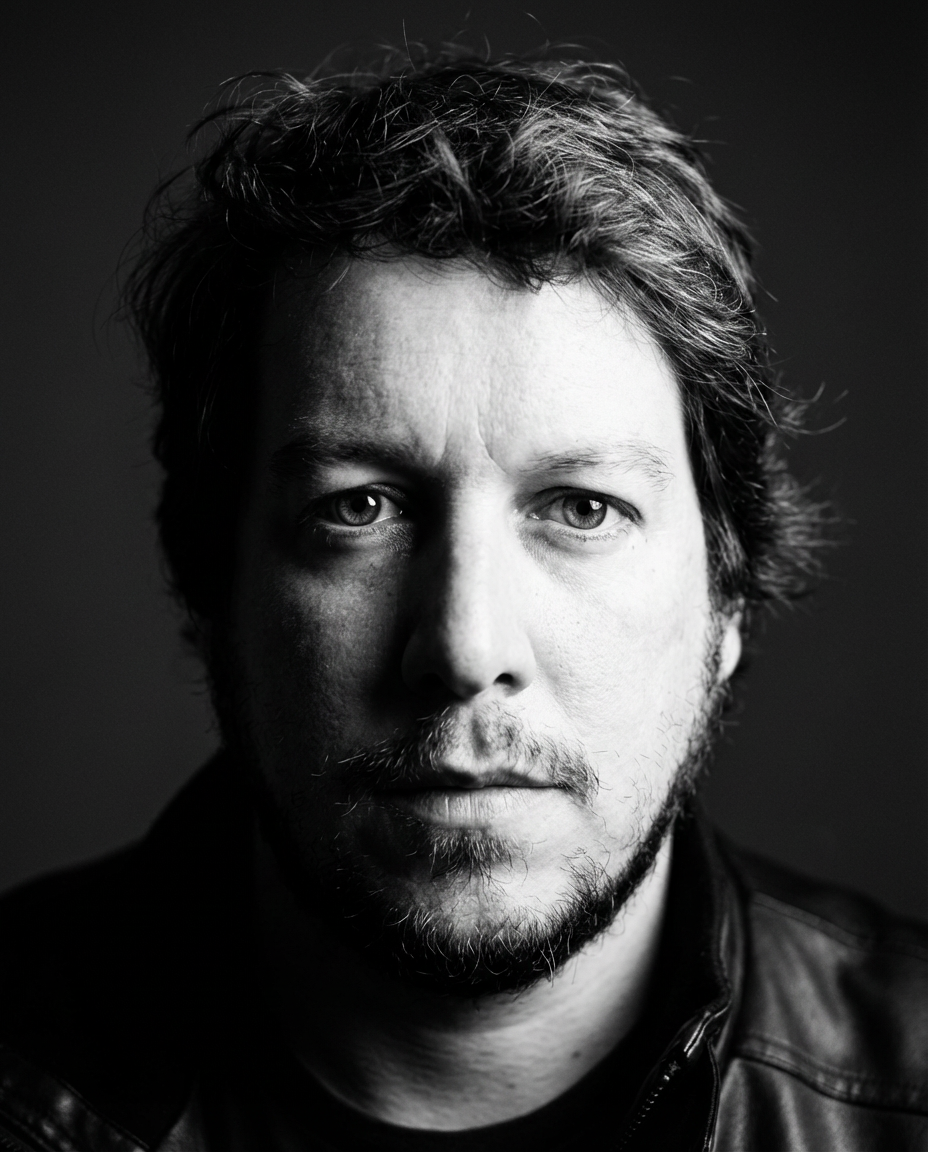

This week, the 79th Locarno Film Festival is running in Locarno, Switzerland. August 5 through 15. In its Out of Competition program, there is a film by Portuguese director Edgar Pêra called "Asphalt Guerrilla." It mixes real archival footage, Pêra's personal history, and AI-generated imagery to revisit Portugal's FP-25, the Forças Populares 25 de Abril, an armed underground organization that carried out bombings and bank robberies between 1980 and 1987. At the festival, Pêra told journalists he always tries to leave clues for what was AI-made.
That sentence stopped me. Not because it is unusual in ethical terms. Because it is unusual in directorial ones.
At the same time, the Locarno Pro industry program, which wrapped August 11, spent the week with more than a thousand film industry professionals discussing what Deadline called the big issues: AI, algorithms, consolidation, and whether any of this leaves room for creative freedom. A full conference session was dedicated to it. The question was in the air over every table.
Pêra answered it in the edit.
What Locarno is and why that matters here
Locarno is one of the oldest film festivals in Europe. The films in its main competition are not chosen because they have a market. They are chosen because they propose something. This year the lineup includes Hong Sangsoo, Denis Côté, Albert Serra, Ann Oren. Filmmakers who treat the medium as a question, not a delivery format.
Pêra belongs to that lineage. He is an experimental filmmaker whose work has always been interested in the machinery of cinema, what the image is and how it was made, not just what it shows. "Asphalt Guerrilla" is described by the critic Micropsia as a punk essay on cinema and resistance. Punk, there, is not an aesthetic. It is a structural position: make the construction visible. Do not smooth the cut. Let the audience see the decision.
That tradition goes back further than punk. Dziga Vertov's "Man With a Movie Camera" from 1929 showed the camera, the editing room, the projector. The film was about its own making. The claim was not "this is transparent." The claim was "the construction is part of the meaning." Pêra is working in that line, with AI-generated imagery in place of the hand-cranked camera, and the result is the same argument: you are watching someone decide.
The clue as a directorial act
Leaving clues is not an ethical stance. Pêra is not doing it because a regulation requires it. He is not filling out a disclosure form. He is making a choice about what the film says to its audience about itself.
In theater, audiences know they are watching actors. The frame of the stage is the clue. In documentary, the camera's presence changes the scene; the great documentarians never pretended otherwise. In fiction cinema, the contract is different: you accept the frame as world. When Pêra breaks that contract by leaving readable marks, he is proposing a third thing: a film that holds both at once. Archival footage that is real. AI imagery that is generated. The seam between them is part of the argument.
That is a directorial decision. The AI did not choose to be legible. Pêra did.
And he does not apply it as a rule. In the same conversation he said that there are moments where, to show the danger of AI, you have to behave like a dangerous AI. So sometimes he hides it. Deliberately, so the audience feels what it is like not to be told. That is the detail that proves the point. A rule would be a policy. Choosing when to reveal and when to conceal, based on what the scene needs to say, is the definition of directing.
This is the distinction that almost all of the conversation around AI-generated imagery in film misses. The debate tends to land on the image itself: is it good enough, is it legal, is it fair. Pêra is operating at the level above. He is not asking what the image looks like. He is asking what the image does when the viewer knows where it came from.
What this means if you are making something right now
Most independent filmmakers using AI-generated imagery are already making Pêra's choice, consciously or not. Every frame that blends generated material with real footage is a choice about whether the audience should be able to tell. A few things are worth naming directly:
- Hiding the AI is a choice. So is showing it. Neither is neutral. Both mean something about what you think your audience owes you and what you owe them.
- The clue does not have to be crude. Pêra is not burning a watermark over his frames. He is leaving texture, inconsistency, the particular weight of generated imagery. If you know how to look, you can see it. That is different from a badge. It is craftsmanship in transparency.
- The EU AI Act's transparency obligations, which began applying on August 2 of this year, require machine-readable marking for AI-generated content reaching EU audiences. (The Act itself entered into force back in August 2024. What arrived this month is Article 50.) But that is a legal floor, not an artistic decision. Pêra did not make this film because of Article 50. He made it because of what he wanted to say.
The practical note: working out your own position on this before you publish is worth the time. Not because of regulation, but because the choice shapes what the work is.
The question the festival debate is not asking
The Locarno Pro conversation framed the situation as AI and algorithms against creative freedom. That framing treats AI as the new element. It is not. Digital color grading, CGI cleanups, digital intermediate processes, algorithmic sound design - none of these declared themselves. Hollywood cinema has been hiding its construction for thirty years. The film that looks like natural light is the product of hundreds of decisions made in a color suite by people whose names appear in the credits only a specialist reads.
AI does not threaten the freedom to make images. It makes visible a question cinema has been answering silently since the first digital intermediate. The question is not "should AI be in films." It is "what do you believe about the image you are making and the audience watching it."
That is not a new question. It is the oldest question in cinema. Every director who ever set up a shot was answering it.
The machine left no clues
Edgar Pêra's AI generator did not decide to be transparent. The generator does not have a position on what the film says. It rendered what it was asked to render and moved on.
Pêra decided the film would show its seams. That decision lives in the edit, in the timing, in the selection of which generated frames to use and where to place them against the archival material. None of that is the machine's work. All of it is the director's.
The Locarno industry program this week spent its sessions asking whether AI leaves room for creative freedom. The answer was playing in a theater down the road. A filmmaker who has spent decades asking what an image is took the newest image-making tool available and made it answer to his argument, not his argument answer to the tool.
He fed it a rich idea. It amplified a rich idea. The picking of what to show, how to show it, and whether to let you see the seam was his. That part does not get generated. That part is the film.
Correction
Correction 2026-08-12: (1) The EU AI Act entered into force on 1 August 2024; what took effect on 2 August 2026 is the application of its Article 50 transparency obligations. The original text said the Act "came into force August 2" and has been corrected.
- Added Pêra's own counterpoint about deliberately hiding the AI in some moments, from the same Hollywood Reporter interview, which the original piece omitted.
- Replaced a broken hero image URL.


