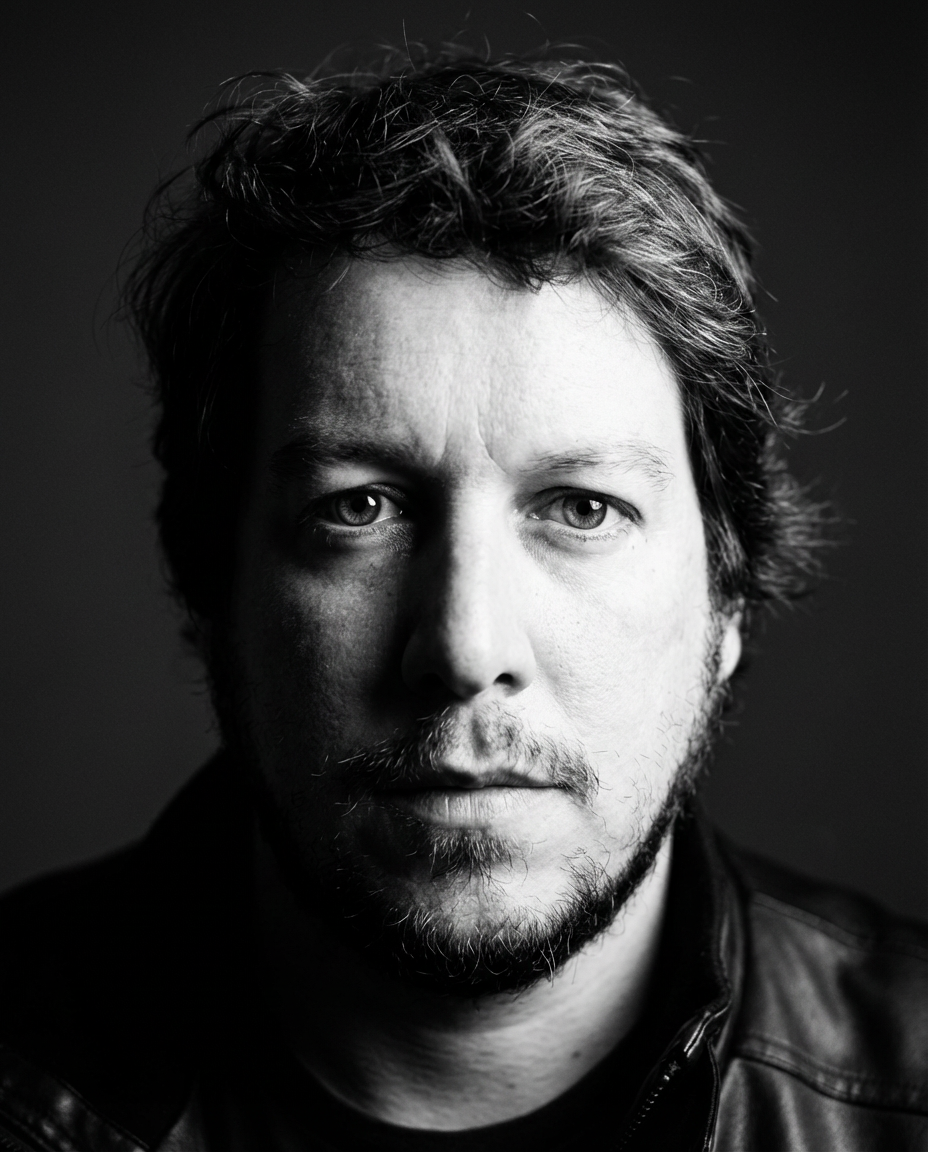

Locarno Pro, the industry arm of the 79th Locarno Film Festival, closed on August 11 after six days built around a single theme: films versus formula, algorithms, consolidation and creative freedom. More than a thousand industry professionals were there. The 15th edition of its StepIn think tank spent a full day on how power, data and AI are reshaping independent cinema. Down the road, on August 10, a film assembled partly from AI-generated imagery premiered Out of Competition at the same festival. If you want to understand AI video editing in 2026, that week is the whole picture in miniature.
Here is what struck me, watching the coverage from São Paulo while cutting a job of my own.
The panels were about the algorithm deciding what gets seen. The film was about a director deciding what gets shown. Those are not the same fight, and the second one is the one you can actually win this week.
What Locarno Pro actually argued about
The framing at Locarno was distribution and power. Streaming platforms shaping creative choices upstream. Data and algorithms sitting in greenlight decisions. Mergers concentrating who gets to say yes. Giona A. Nazzaro, who runs the festival, has been making the case that the job now is to liberate spectators in the age of the algorithm.
That is a real problem and I do not want to wave it away. But it is a problem about who sees your film. It is not a problem about whether your film is any good.
Those got separated in the last two years, and most of the conversation has not caught up. The bottleneck used to be production. Getting the image at all was the hard part. Now the image is cheap and the bottleneck moved to two places at once: discovery on one end, and judgment on the other.
Discovery is mostly out of your hands today. Judgment never left them.
Does AI video editing replace the editor?
No, and the reason is more specific than the usual reassurance.
Look at what the tools actually shipped. Adobe put an AI Assistant into Premiere in public beta in June, a chat panel that executes tasks inside an open project. Premiere 26.0 earlier this year brought AI Object Mask, which tracks a complex moving subject from a hover and a click. Plugins have been automating silence removal, repeated takes, captions and multicam podcast switching for a while now. On the generation side, Kling 3.0 arrived in February with native 4K and 15 second clips.
Read that list again and notice what every single item has in common. They all execute a decision. Not one of them makes one.
Object Mask does not know whether the subject should be isolated. Silence removal does not know that the pause was the performance. The assistant does not know why you are on this shot and not the other one. These tools compress the distance between deciding and seeing the result, which is genuinely enormous, and they are the reason a small team can now finish work that used to need a floor of people. That is real leverage and I use it daily.
But leverage on execution is not authorship. The edit is a sequence of judgments about meaning, rhythm and withholding. Nothing in the current stack has an opinion about any of those. Ask it to cut a scene and it will cut a scene. It will not tell you the scene should not exist.
Where AI actually enters my edit
My working stack runs Higgsfield as the hub, with Kling, Seedance, Nano Banana Pro and Gemini Omni reached through it, Magnific for enhancement, and Premiere Pro as the room where it all gets decided, with After Effects and Resolve alongside. Here is roughly how the labor divides on a real job:
- Generation is a sketch stage, not a delivery stage. I use it the way I once used storyboards and animatics. Fast, disposable, meant to be argued with. The mistake I see constantly is treating the first good-looking output as the answer instead of as a proposal.
- Cleanup is where automation pays. Masking, tracking, silence passes, caption passes. This is mechanical work with a correct answer, which is exactly where a machine should be. Handing it over buys back hours with no cost to the film.
- Selection stays manual, always. Which take. Which frame to cut on. What to leave out. I have never once been able to delegate this, and every time I tried, the result was competent and dead.
- Sound and timing get decided last and by ear. A cut that reads fine on paper can be a half second wrong, and no tool has told me that yet.
If you want the generation half of this in detail, I wrote up a director's prompting method for Seedance. For the finishing half, how AI color grading fits a professional post workflow covers where I let it in and where I do not.
The cut is the argument
I acted and wrote on a talk show years ago, the Ronald Rios Talk Show. Television teaches you something features hide: the material is never the problem. You always have more than you can use. The show is decided in what you throw away, under time pressure, with an audience waiting.
That is the skill that transferred intact into 2026. Not the camera knowledge, though that helps. The willingness to cut something good because it does not serve the thing.
An AI tool will never volunteer that. It has no stake in the argument you are making, because it does not know you are making one. It optimizes for the request. You are responsible for whether the request was worth making.
This is why I keep saying the tool amplifies what you bring. Feed it a thin idea and you get a polished thin idea, faster, at 4K. The polish fools people for about a week. Then it does not.
Why the Locarno panel and the Locarno film are the same story
Put the two halves of that week back together and the shape is clear.
The industry side worries that formula will win because algorithms reward formula. They are probably right about the incentive. But the algorithm can only rank what exists. It cannot make anyone's work specific, and specific is the only thing that has ever traveled.
The film that played out of competition made its case by being unmistakably somebody's. Somebody chose the archive. Somebody chose which generated frames earned a place next to it. Somebody chose the seam. That is not a technology story even though technology is all over it.
Not because AI is unimportant to how that film exists. Because AI is not where the film's meaning came from.
What I would tell someone starting today
Learn to edit. Genuinely, seriously, as a craft, before you learn any of the generation tools well.
This is the opposite of the common advice and I will defend it. The generation tools change every quarter and each new one is easier than the last. Prompting skill has a short half-life; I have watched techniques from a year ago become unnecessary. Editing does not decay like that. The judgment behind a cut is the same judgment it was fifty years ago, and it is the part that is still scarce.
The people I see doing the best work with AI right now are not the ones with the best prompts. They are the ones who already knew what they were trying to say and picked up a faster way to say it. The tool found them mid-sentence.
Everything upstream of the timeline is getting cheaper and will keep getting cheaper. The timeline is where it becomes a film. That has not moved, and this week in Locarno, a thousand people argued about the algorithm while somebody quietly proved it in a theater down the road.
Correction
Corrected Aug 16, 2026: biographical accuracy. Ulisses Balbino was an actor and writer on the Ronald Rios Talk Show, not its director or producer. Earlier wording claimed a directing and producing credit he does not hold and it has been fixed here.
Sources and verification
Facts verified August 12, 2026 against independent sources: 79th Locarno Film Festival dates (5-15 August 2026) per locarnofestival.ch press releases, en.wikipedia.org/wiki/79th_Locarno_Film_Festival and screendaily.com; Locarno Pro 2026 running 6-11 August with the theme "Films vs. Formula: Algorithms, Consolidation and Creative Freedom" and the 15th edition of its StepIn think tank, per hollywoodreporter.com ("Locarno Pro Takes on the Big Issues", 2026) and deadline.com ("Locarno Gets Down To Business With Talk On AI, Algorithms, Investment", August 2026); "more than 1,000 industry professionals" figure per Deadline; Giona A. Nazzaro on liberating spectators in the age of the algorithm per deadline.com ("Locarno Film Festival Head Giona A. Nazzaro Takes On The Algorithm", August 2026); Edgar Pera's "Asphalt Guerrilla" premiering Out of Competition on 10 August 2026 per hollywoodreporter.com and micropsiacine.com; Adobe Premiere AI Assistant announced in public beta on 18 June 2026 per news.adobe.com; Premiere 26.0 AI Object Mask per provideocoalition.com and postperspective.com (Sundance 2026 cycle); Kling 3.0 native 4K and 15-second clips per the Kuaishou/Kling 3.0 launch release (February 2026). No claim here about any tool's performance is reported as fact beyond these sources; everything else is first-hand opinion from my own edits.


