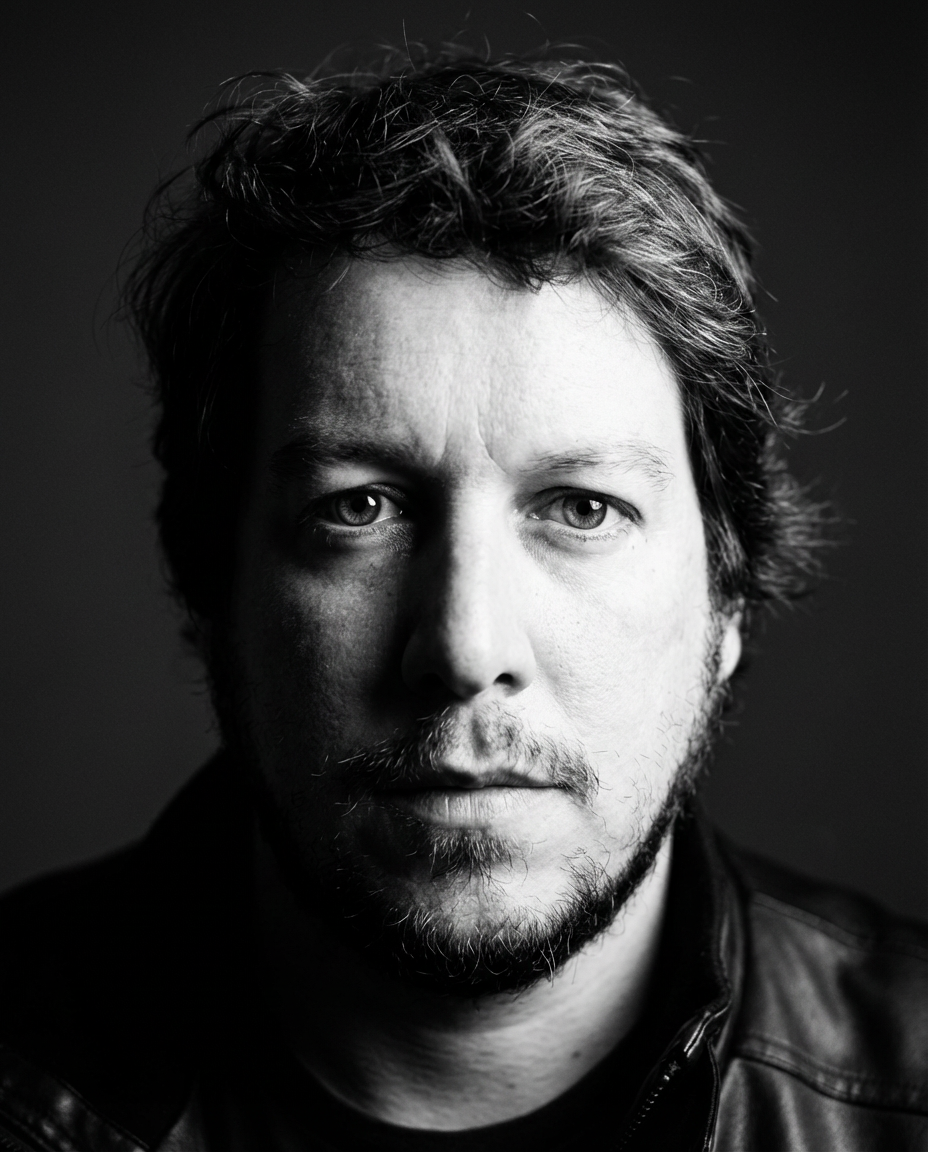

What Affleck Said, and Why It Matters
Ben Affleck made waves recently when he addressed AI's impact on Hollywood directly. Paraphrasing from his comments: AI won't eliminate filmmakers, but it will fundamentally change what filmmakers are valued for. The technical craft (camera operation, editing mechanics, color science, audio engineering) will be increasingly automated. What remains irreplaceable is the human judgment that directs all of that toward something meaningful.
He's right. And the reason his comment matters isn't that he's a celebrity. It's that he's someone who has operated at every level of the film industry: writer, actor, director, and producer. He's seen the inside of studio decisions, independent productions, and the political machinery that determines which projects get made and why. His perspective on value isn't abstract.
The Value Shift, Explained
Here's what "value shift" actually means in practical terms for working filmmakers:
What is losing value: Technical execution of defined tasks. If you know how to operate a camera but don't know why you're framing a shot, AI will price you out. If you can edit footage mechanically but can't read the emotional arc of a scene, that skill is being automated. Technical proficiency without creative judgment is losing its market premium.
What is gaining value: The ability to decide what to make and why. Creative direction, not just in the formal title sense, but in the fundamental sense of having taste, knowing what an audience needs to feel, and making hundreds of small decisions that add up to a coherent piece of work. Client communication, narrative strategy, brand alignment. On-set leadership and talent direction. The relationship-building that converts projects into ongoing partnerships.
None of those are AI-automatable, because they require context that only humans have: the history of a client relationship, the emotional subtext of a scene, the cultural specificity of a market, the intuition built from years of watching what works and what doesn't.
Hollywood Is Already Running This Experiment
The studios aren't waiting for the theoretical value shift to happen. They're already restructuring around it. What I'm seeing in the industry:
- Productions are running smaller crews with more AI-assisted pipeline work
- The roles being preserved are the ones that require on-set human judgment
- Post-production timelines are compressing as AI handles rough assembly, color matching, and audio cleanup
- Directors are spending less time in technical review and more time in creative development, which, if you're a director, is actually better
The filmmakers who are thriving in this environment are those who treat AI as a production upgrade rather than a threat. They're getting their creative work done faster, with less technical overhead, and using the time savings to pursue more projects or go deeper on the ones they have.
The Real Risk: Competing on Price Instead of Value
The dangerous response to AI pressure in Hollywood isn't fear of automation. It's the temptation to compete on price. When AI makes "good enough" content cheaper to produce, some filmmakers will try to undercut AI costs by offering their human work at bargain rates. That's a race they will lose. AI will always be cheaper at producing "good enough."
The right response is to compete on value: to specialize in the decisions, relationships, and creative judgment that make work exceptional rather than acceptable. That means being clear about what you actually offer that AI doesn't. It means saying no to projects where you'd be competing with AI on price and seeking out projects where human judgment is the product.
What I've Changed Based on This Reality
Affleck's framing gave me language for something I'd already been doing instinctively in my own practice. Over the past two years, I've consciously shifted the value I offer clients:
- From: "I can produce X quantity of content in Y timeline"
- To: "I can build a creative strategy that serves your brand's specific goals and execute it at a level that AI can't match"
That shift is harder to sell than a production quote. It requires more client education. But it's sustainable in a way that competing with AI on volume and price is not. The value shift Affleck described is real. The filmmakers who acknowledge it early and adapt their positioning accordingly are going to be the ones still standing when the dust settles.
The conversation I have with new clients now
When a new client asks me what makes my work different from what they could get from a cheaper AI-assisted shop, I do not list features. I ask them what their last campaign actually did for the business. Most of them cannot answer with specifics. That is the opening.
The decision they actually face is not "human or AI" but "vendor I trust to think about my problem or vendor who delivers files." A vendor who delivers files is competing on price, and AI will eventually win that fight. A vendor who thinks about the problem is selling something AI cannot replicate, regardless of what tools the vendor uses internally.
Affleck's framing is right. The shift has already started in commercial work. It will reach studio production a few cycles later because the contracts are longer and the relationships are more locked in.


